A filling breakfast combines protein, fiber-rich foods, healthy fats and minimally processed carbohydrates in portions that fit your needs. That mix can make breakfast more satisfying and help you build a steadier morning routine. These five filling breakfast ideas are the meals I return to when I want something practical, balanced and easy to customize.
One of the questions I’m asked most often is, “What should I eat for breakfast so I don’t feel hungry again right away?” There is no single breakfast that keeps everyone full for a set number of hours—appetite, activity, sleep and portion size all matter. But starting with protein and adding fiber, produce and a source of fat is a useful formula.
What makes a breakfast filling?
A satisfying breakfast usually includes more than one food group. Instead of relying on one ingredient, build your meal from these four parts:
- Protein: eggs, egg whites, Greek yogurt, cottage cheese or a protein powder that suits your needs
- Fiber-rich foods: oats, chia seeds, flaxseeds, berries, vegetables or whole-grain bread
- Healthy fats: avocado, nuts, seeds or nut butter
- Carbohydrates and produce: whole grains, fruit and vegetables for energy, flavor and variety
The Dietary Guidelines for Americans encourages nutrient-dense choices across food groups and recommends making at least half of grain intake whole grains. Use the ideas below as flexible starting points, not one-size-fits-all meal plans.
5 filling breakfast ideas
1. Veggie omelet with eggs and egg whites
This is one of my favorite savory breakfasts because it combines protein with vegetables and plenty of flavor.
- 2–3 whole eggs
- 1/2 cup egg whites
- Spinach and broccoli, to taste
- Fresh salsa, for serving
How to make it: Cook the spinach and broccoli in a skillet until tender. Add the beaten eggs and egg whites, then cook until the eggs are fully set. Fold and top with fresh salsa.
Make it your own: Add mushrooms, peppers, onions or any vegetables you already have. If you want a carbohydrate alongside it, serve it with fruit or whole-grain toast.
2. Protein oatmeal with flaxseeds and berries
Warm oatmeal is easy to prepare, and the same ingredients also work as overnight oats when you need breakfast ready in advance.
- 1/2 cup oats
- 1 cup milk or unsweetened almond milk
- 1 tablespoon ground flaxseeds
- 1/2 cup berries of your choice
How to make it: Cook the oats with your chosen milk according to the package directions. Stir in the flaxseeds and finish with berries. For overnight oats, mix the oats, milk and flaxseeds the night before, refrigerate, and add berries in the morning.
Protein option: If your breakfast needs more protein, add Greek yogurt on the side or stir in a suitable protein powder after cooking. Follow the product directions and adjust the liquid as needed.
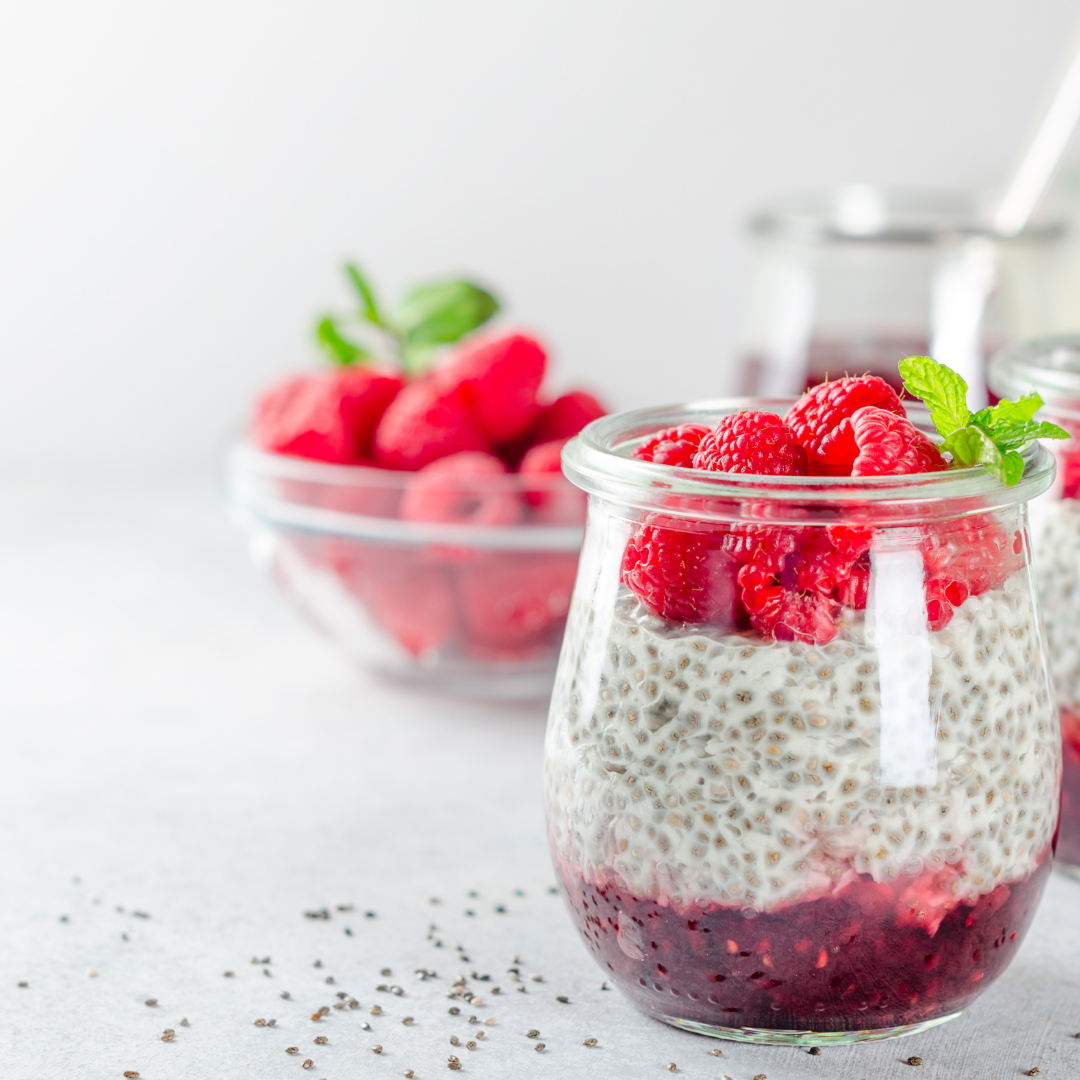
3. Chia pudding with fruit
Chia pudding is a convenient prep-ahead breakfast. The seeds need time to absorb the liquid, so make this one the night before.
- 1/4 cup chia seeds
- 1/2 cup coconut milk or almond milk
- 1 teaspoon honey
- 1/2 cup fruit of your choice
- Optional: 1/2 cup Greek yogurt
How to make it: Stir the chia seeds, milk and honey together well. Refrigerate overnight in a covered container. Stir again before eating, then add fruit and Greek yogurt if desired.
4. Avocado toast with egg whites
Whole-grain toast, avocado and egg whites create a simple breakfast with carbohydrates, fat and protein in the same meal.
- 2 slices whole-grain bread
- 1 cup egg whites
- 1/2 avocado
- Salt, pepper and chili flakes, to taste
How to make it: Toast the bread and mash the avocado over each slice. Cook the egg whites until fully set, place them on the toast, and season to taste.
5. Protein shake with nut butter and fruit
When you need a quick breakfast, a blended shake can combine several of the same elements as a sit-down meal.
- 1 scoop protein powder
- 1 tablespoon nut butter
- 1 cup almond milk
- 1 cup ice
- 1/2 cup frozen berries or 1/2 frozen banana
How to make it: Blend until smooth. Choose a protein powder based on your dietary needs, ingredient preferences and tolerance. If you are comparing products, read my guide to choosing a protein powder.
How to choose the best breakfast for you
The best filling breakfast is the one that fits your appetite, schedule and food preferences. Start with one idea, notice how you feel through the morning, and adjust the portion or ingredients. Someone with a long training session may need a different breakfast from someone having a quiet morning at home.
You can also prepare ingredients in advance: wash and chop omelet vegetables, portion smoothie ingredients into freezer bags, or make two jars of chia pudding or overnight oats at once. A little preparation makes a balanced choice easier on busy mornings.
Frequently asked questions
What is the most filling breakfast?
There is no universal winner, but a breakfast that combines protein, fiber-rich foods and a source of fat is often more satisfying than a meal built mostly from refined carbohydrates. An omelet with vegetables and whole-grain toast, or oatmeal with berries, seeds and Greek yogurt, are two practical examples.
What breakfast can help keep me full until lunch?
Choose a portion that meets your needs and include protein plus fiber. Try eggs with vegetables, oatmeal with flaxseeds and berries, chia pudding with Greek yogurt, avocado toast with egg whites, or a protein shake with nut butter and fruit. No breakfast can guarantee a specific number of hunger-free hours.
Can I prepare these breakfasts the night before?
Yes. Chia pudding and overnight oats are designed for advance preparation. Smoothie ingredients can be portioned and frozen, while vegetables for an omelet can be chopped ahead and refrigerated safely.
Are these breakfast portions right for everyone?
No. Portions and nutrition needs vary by person. Adjust ingredients for your appetite, activity, allergies and dietary needs, and consult a qualified healthcare professional for individualized nutrition advice.
Which one will you try first? Tag @melinafitness on Instagram when you make your breakfast, or explore more practical wellness guidance in Fit Lab.
Food-safety note: Cook eggs until fully set, refrigerate prepared breakfasts promptly, and avoid ingredients that conflict with your allergies or medical needs.