
Updated October 2026 • Reviewed for clarity and current evidence
Quick answer: B vitamins help the body release and use energy from food, but taking extra B vitamins does not directly burn fat or cause weight loss when you already get enough. If a deficiency is making you tired or unwell, identifying and treating it with a healthcare professional can support normal health—but a B-complex supplement is not a weight-loss treatment.
I originally wrote this article after seeing B-complex vitamins promoted everywhere for energy, metabolism and IV wellness. The marketing made them sound like a shortcut. This update keeps the useful nutrition basics while separating established functions from claims that run ahead of the evidence.
What is vitamin B complex?
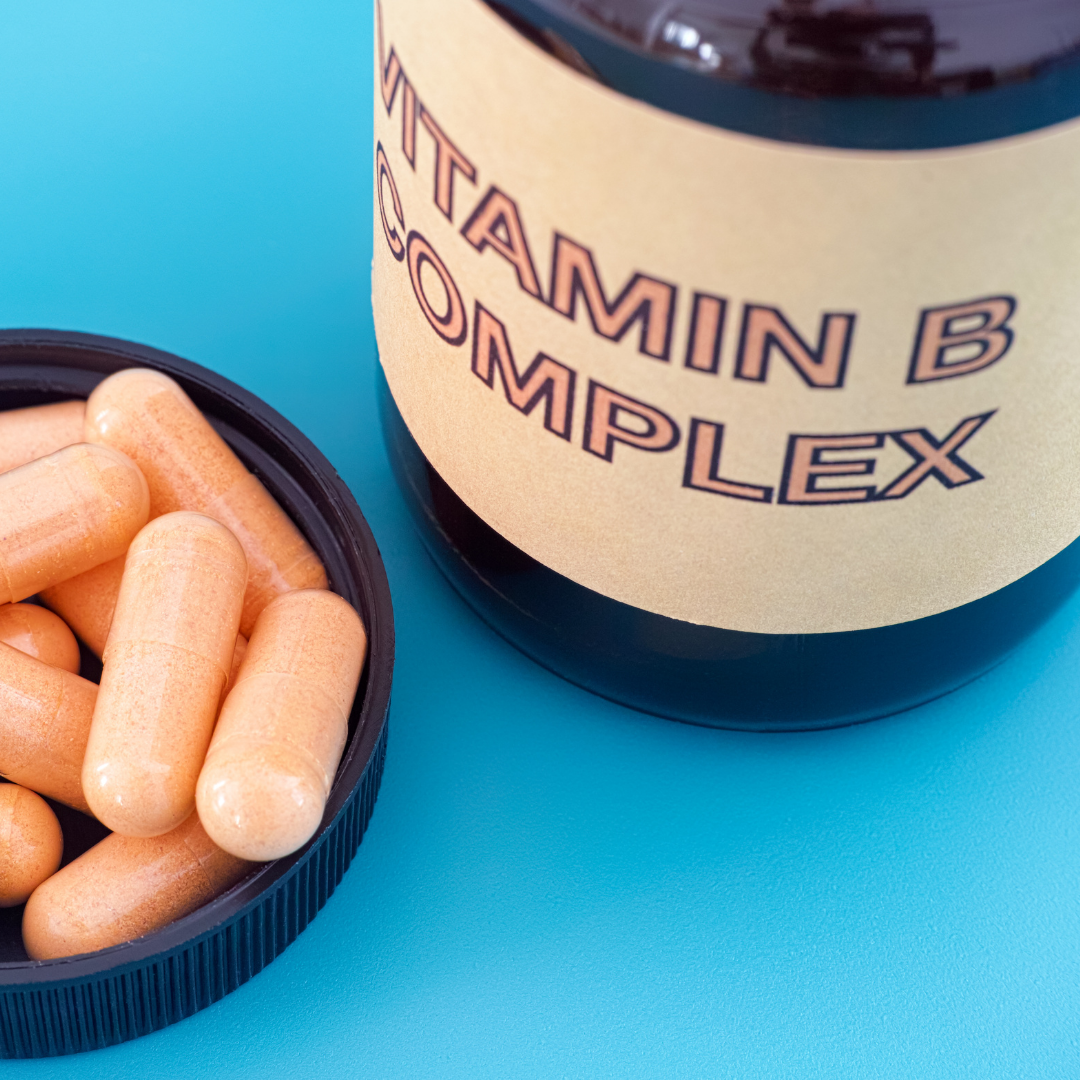
“B complex” means a group of eight water-soluble vitamins. They work in different ways, but several act as helpers in reactions that convert carbohydrates, fats and proteins into forms the body can use.
- B1 (thiamin): supports energy metabolism and normal nerve function.
- B2 (riboflavin): helps with energy production and cellular function.
- B3 (niacin): supports energy metabolism and the function of enzymes throughout the body.
- B5 (pantothenic acid): is part of coenzyme A, which is involved in making and breaking down fats.
- B6 (pyridoxine): supports amino-acid metabolism, neurotransmitter production and hemoglobin formation.
- B7 (biotin): helps metabolize carbohydrates, fats and amino acids.
- B9 (folate): is needed for DNA formation and cell division.
- B12 (cobalamin): supports red blood cell formation, DNA synthesis and normal nerve function.
These jobs are essential, but “involved in metabolism” does not mean “speeds up metabolism” or “melts body fat.” Think of B vitamins as necessary parts of the body’s normal machinery—not as a turbo button.
Do B vitamins help with weight loss?
Not directly. There is no reliable evidence that a B-complex pill, B12 shot or vitamin IV produces meaningful fat loss in people who are not deficient. The National Institutes of Health notes that there is little scientific evidence that weight-loss supplements work, and some can interact with medications or cause harm.
A person with a diagnosed deficiency may feel better when the deficiency is treated. That can make normal activity easier, but it is different from the vitamin causing weight loss. If your weight or energy level changes unexpectedly, the right next step is assessment—not guessing with high-dose supplements.
Can vitamin B12 increase energy?
Vitamin B12 is necessary for normal red blood cell and nerve function. Deficiency can cause fatigue and other symptoms. However, the NIH vitamin B12 fact sheet states that supplementation does not appear to improve performance or endurance in people who already have sufficient B12 status.
This distinction matters: restoring a low level can help correct a problem, while taking more than you need does not create unlimited energy.
Who may be at risk of a B-vitamin deficiency?
Risk depends on the specific vitamin. Examples can include people with restricted diets, malabsorption conditions, certain gastrointestinal surgeries, heavy alcohol use or medications that affect nutrient absorption. Adults who eat little or no animal food need a reliable source of B12. Folate needs also increase during pregnancy.
Symptoms such as fatigue, weakness, numbness, tingling, mouth changes or anemia can have many causes. A clinician can review your diet, health history, medications and laboratory results before recommending treatment.
Are B-complex injections or IV infusions better?
Not for everyone. Injections or IV treatment may be medically appropriate for a confirmed deficiency, severe malabsorption or another diagnosed condition. They should be prescribed and administered by a qualified medical professional.
The original version of this post described routine vitamin IVs as more effective than oral supplements. That statement was too broad. Many people can absorb adequate B vitamins from food or oral supplements, and the NIH explains that prescription B12 injections are generally used for particular deficiency and malabsorption situations. An IV also carries risks associated with the dose, ingredients and procedure.
Food sources of B vitamins
A varied eating pattern can provide most B vitamins:
- fish, poultry, eggs, dairy and lean meats;
- beans, lentils, nuts and seeds;
- whole and fortified grains;
- leafy greens and other vegetables;
- fortified foods or an appropriate B12 supplement for people eating fully plant-based diets.
A supplement may still be useful when food intake is limited or needs are higher, but the dose and form should match an actual need.
Can too much vitamin B complex be harmful?
Yes. “Water soluble” does not mean risk free. High-dose niacin can cause flushing and other adverse effects. Too much supplemental vitamin B6 over time can damage nerves and lead to numbness or problems with movement; the NIH provides detailed vitamin B6 safety guidance. Folic acid can mask some signs of B12 deficiency, and supplements can interact with medications.
Check the amount of every B vitamin on the label, especially if you combine an energy drink, multivitamin, B complex and fortified foods. More is not automatically better.
Frequently asked questions
Which vitamin B helps with weight loss?
No individual B vitamin has been proven to cause meaningful weight loss in people who already meet their nutrient needs. B vitamins support normal metabolism; they are not fat burners.
Does vitamin B complex help with weight loss?
There is no good evidence that a B-complex supplement causes weight loss by itself. Sustainable change comes from an eating pattern, activity plan and support that fit the individual.
Can vitamin B12 shots help you lose weight?
B12 shots treat specific medical needs; they are not established weight-loss injections. If B12 deficiency is confirmed, treatment may improve deficiency-related symptoms, but it should not be advertised as direct fat loss.
Will B complex speed up my metabolism?
B vitamins are required for normal metabolic reactions. Taking more than your body needs has not been shown to keep increasing metabolic rate.
Should I take B complex every day?
That depends on diet, health, medications, life stage and the product’s dose. Ask a qualified healthcare professional if you are unsure, and avoid stacking several high-dose products.
Can B vitamins improve mood or stress?
B-vitamin deficiencies can affect health, but supplements are not a treatment for anxiety or depression. Anyone experiencing persistent mood symptoms should speak with a licensed healthcare or mental-health professional.
The bottom line
B vitamins are essential, but essential does not mean that extra amounts produce extra weight loss or energy. Correct a real deficiency with appropriate care, be cautious with high doses and build weight-management habits around food quality, movement, sleep and realistic support.
For practical wellness education without miracle-supplement promises, explore Fit Lab.
This article is for general education and is not medical advice. Do not use supplements or injections to diagnose or treat a condition without appropriate clinical guidance.
Xoxo,
Melina